Nervous about your first aesthetic treatment? How to prepare and what helps
By Ingrid Tan, Senior Editor · Updated 2026-11-10
This is general information, not medical advice. Raise any health worries with your practitioner or GP.
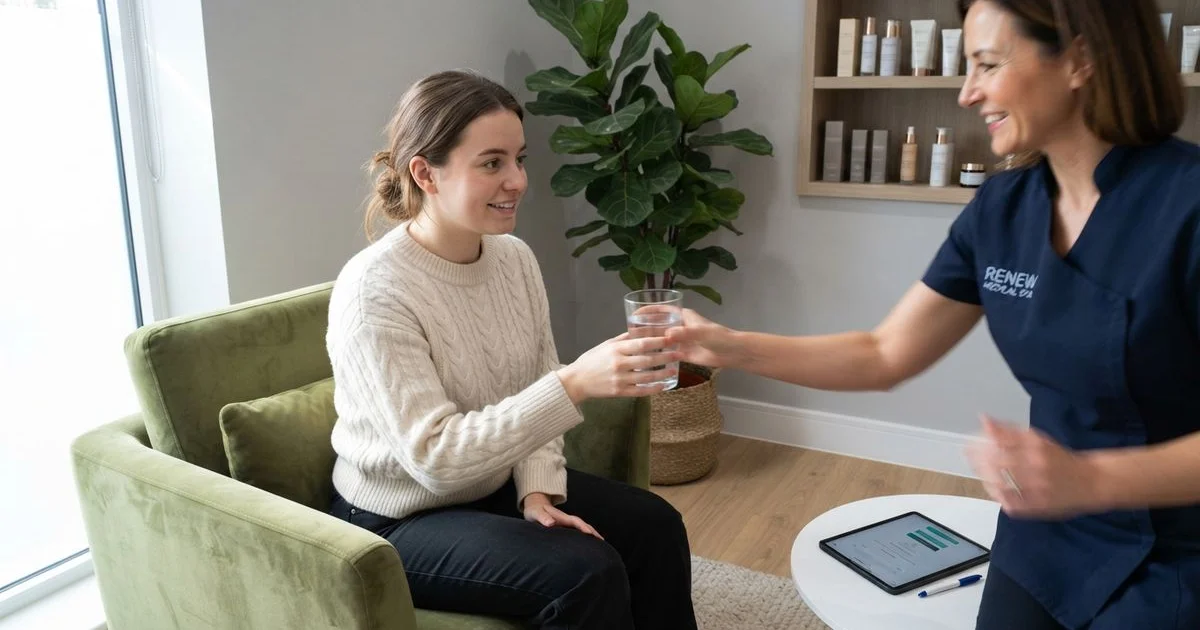
Nerves before a first treatment are common, and they are a sensible signal to slow down, not a reason to push on. This guide is about reducing the unknowns so you walk in feeling more in control.
Start by choosing the right setting
Look for a clinic that offers a consultation before treatment, lets you ask questions and does not pressure you to decide. Our list of questions to ask at an aesthetic consultation is a good place to start. Reviewers on this site describe valuing clinics that explain each step clearly, make nervous clients feel at ease and listen to what they want. Those are individual experiences, but they are things you can look for in recent reviews.
Before the appointment
| What | Why it helps |
|---|---|
| Write your questions | Nerves make people forget them |
| Learn the sequence | Knowing what happens next reduces surprise |
| Check the practitioner | Confidence that they are qualified |
| Ask about downtime | Plan around work and social events |
| Eat and drink normally | Feeling faint is more likely if you skip meals |
| Bring a list of medication | Saves you recalling it under pressure |
Tell them you are nervous
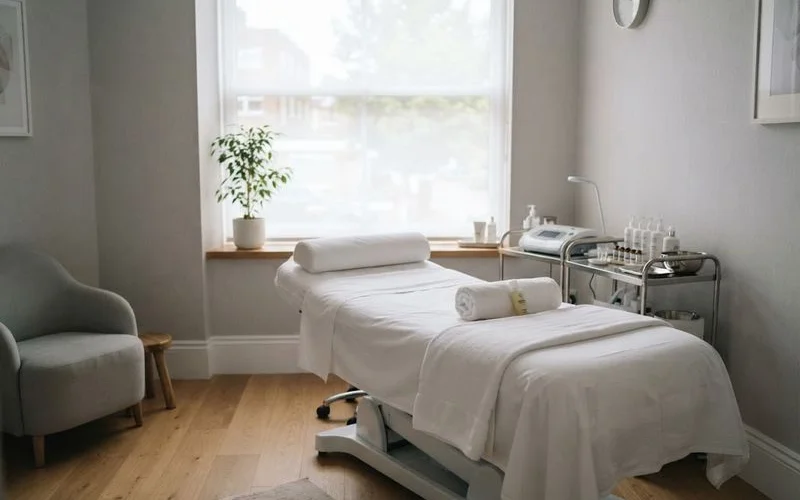
This is the most useful step. Practitioners can slow down, describe what they are doing, offer breaks and agree a signal for stopping. Telling them is not awkward. They hear it daily.
What you can ask for on the day
- A walk through the steps before starting
- A pause button, such as raising your hand
- Time to decide after the consultation
- Written aftercare
- A named person to contact afterwards
If you want to back out
You can. Before treatment, you can leave the consultation without booking. During treatment, you can ask to stop. A responsible clinic will not make you feel guilty or hold you to a deposit without explaining the terms upfront.
Afterwards
Plan a quiet hour or two, and avoid scheduling something important straight after. Follow aftercare advice and keep the clinic’s number. If something feels wrong, call them.
Small things that make it easier
Little comforts add up. Wear loose, comfortable clothes and arrive a few minutes early so you are not rushed. Ask for a quiet room if the clinic has one, and ask them to talk you through each step. If needles worry you, say so and ask how they manage that, including whether you can lie down.
Breathing slowly before and during treatment helps some people, and so does focusing on a fixed point. Others like to chat, and others prefer silence. Tell the practitioner which you prefer.
If you have had a bad experience before, whether in a clinic or in medical care generally, you can say so. Practitioners cannot change what happened, but they can adjust how they work with you. And if it still feels too much, rebook for another day. There is no rush.
Not sure it is for you?
That is a legitimate answer. Treatments are optional. If your worry is mostly about how you feel about your appearance, speaking with a GP or a counsellor may be more useful than a procedure.
When you feel ready, our directory home page lets you browse clinics by treatment. You can also read how listings are scored in our ranking method, or look at the medical spa category.
FAQ
- Is it normal to feel nervous?
- Yes. Many people do, and a good practitioner will expect it and take time with you.
- Can I bring someone with me?
- Ask the clinic. Many allow a friend in the waiting area, and some will let them stay for the consultation.
- Can I change my mind on the day?
- Yes. You can stop at any point before or during treatment.
- What if I feel faint during treatment?
- Tell the practitioner. They can pause, adjust your position and help you recover.