Microneedling: what happens at an appointment and what to do afterwards
By Ingrid Tan, Senior Editor · Updated 2026-10-07
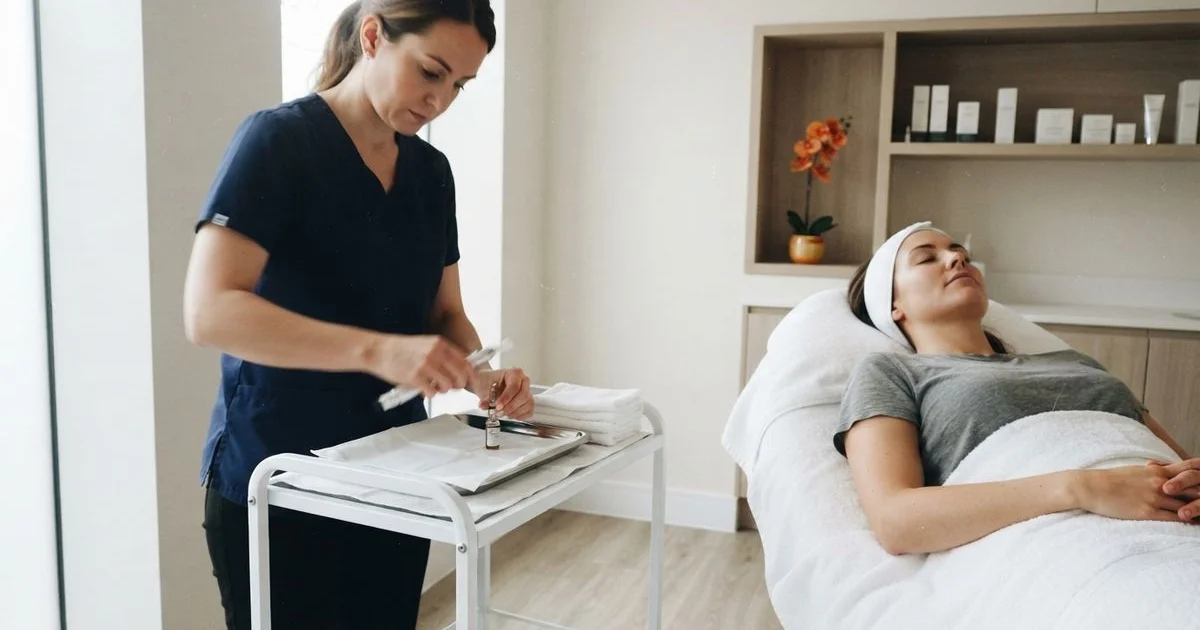
This is general information, not medical advice. Ask a qualified practitioner whether this is appropriate for you.
Microneedling is searched far more often than most aesthetic treatments, and the appointment is simple to describe. What you want to know is what actually happens, what is normal afterwards, and what should prompt a phone call.
Our glossary has a short entry defining microneedling. Here is the experience from start to finish.
Step by step
| Stage | What to expect |
|---|---|
| Consultation | Skin history, medication, concerns, and whether treatment is suitable |
| Skin preparation | Cleansing, and often a numbing cream left on for a while |
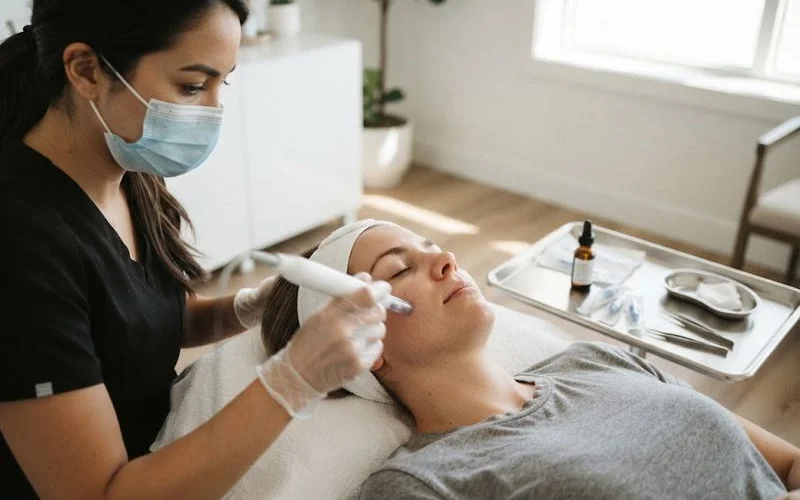
| Treatment | A device with fine needles is moved across the skin at a set depth |
| Finishing | A soothing product and sun protection are applied |
| Aftercare | Written advice for the following days |
Before you go
Tell the practitioner about recent sun exposure, any skin condition such as eczema or active acne, cold sores, and medication, including prescription acne treatments. Mention if you scar easily. These details affect whether treatment is appropriate and how deep it goes.
During the session
The treatment depth depends on the area and the aim. Numbing cream reduces discomfort, though people vary in how they feel it. A session commonly takes under an hour including preparation. Skin will usually look pink or flushed afterwards.
Healing and aftercare
Many people describe redness and a tight, warm feeling for a day or so, followed by dryness or flaking. Typical advice includes:
- Keep skin clean and avoid touching it with unwashed hands
- Use only products the clinic recommends for the first days
- Avoid direct sun, saunas and strenuous exercise for the period advised
- Apply sun protection daily
If you notice spreading redness, pus, severe pain or fever, contact the clinic or a doctor.
Microneedling versus similar treatments
Chemical peels and facials aim at skin in different ways. A peel uses an acid solution, whereas microneedling is mechanical. The right choice depends on your skin and what you are trying to address, which is a question for the practitioner, not a search result. If you are also weighing injectables for skin quality, see how Profhilo, skin boosters and polynucleotides differ.
Home devices and professional treatment
Home rollers and pens are sold widely, and it is natural to wonder if they are the same. They are not designed to be the same. Professional treatments are carried out with sterile single-use needle heads in a controlled setting, and a practitioner chooses the depth for each area. Home devices raise questions about cleaning, needle length and technique, and infection is a recognised risk when skin is broken.
If you are thinking about doing it yourself, speak to a practitioner or pharmacist first, particularly if you have acne, eczema or a history of scarring. And if you have already used one at home and had a reaction, tell the clinic before any professional treatment.
Whichever route you choose, keep skin protected from the sun afterwards and avoid touching treated skin with unwashed hands. Those two habits matter more than most people expect.
Choosing where to go
Ask who carries out the treatment, what device they use, how it is cleaned between clients and what happens if your skin reacts badly. Reviewers on this site mention appreciating clear explanations and staff who listen. That is their experience, and a useful standard.
You can browse providers in the skin rejuvenation and facials category. See the ranking method for how listings are scored, or go back to the home page.
FAQ
- How long does recovery take?
- Redness and tightness for a day or so is commonly described, with skin settling over several days. Your practitioner should give you a timeline for your treatment depth.
- Can I wear make-up afterwards?
- Clinics usually advise waiting. Follow the instructions you are given for your treatment.
- Who should not have microneedling?
- Active skin infections, some skin conditions and certain medicines can make it unsuitable. Tell the practitioner about your history.
- How many sessions are needed?
- Clinics often recommend a course, but the number depends on the concern and device. Ask for the reasoning.